

Feelings No One Warns You About
Pregnancy is often framed as a time of glowing happiness—a phase where excitement naturally outweighs everything else. But the reality of pregnancy mum health is far more layered than that narrative allows.
Many expecting mothers find themselves navigating emotional contradictions that feel difficult to explain. There is joy, yes—but it often coexists with anxiety, uncertainty, and an undercurrent of pressure. The body is changing rapidly, life is about to shift permanently, and yet the expectation remains to feel grateful at all times.
This is where the silence begins.
Because when emotions don’t match the “ideal” version of pregnancy, guilt tends to follow. Feeling overwhelmed instead of excited, disconnected instead of bonded, or simply not okay all the time—these experiences are far more common than most conversations admit.
And yet, they’re rarely spoken about openly.
The Loneliness Behind the Milestones
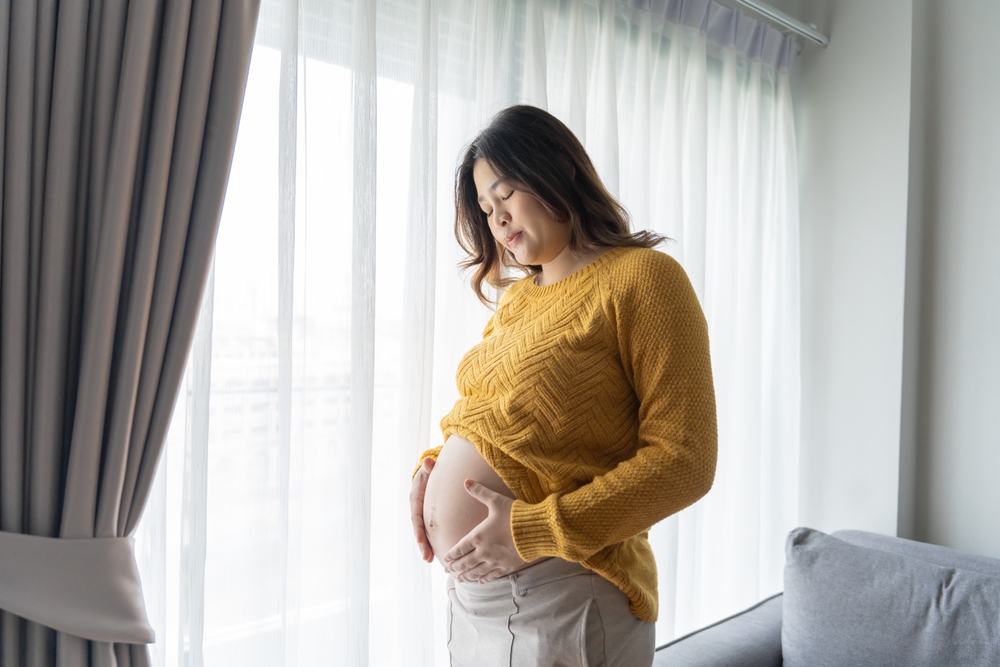
Scroll through social media, and pregnancy appears seamless—carefully curated milestones, smiling photos, glowing skin. But behind those images is a quieter reality that often goes unseen.
Pregnancy can feel isolating.
Even in supportive environments, there can be a gap between what is experienced internally and what is understood externally. Partners, friends, and family may offer support, but the emotional and physical changes happening day by day are deeply personal—and not always easy to articulate.
There’s also a subtle shift in attention. Conversations begin to revolve around the baby—future plans, preparations, excitement—while the emotional state of the mother becomes secondary.
At the same time, physical discomfort can intensify that isolation. Back pain, pelvic pressure, and fatigue are common, especially as the body adapts to the growing weight and shifting center of gravity . Support tools like a maternity support belt are often introduced at this stage—not just for physical relief, but to help make everyday movement feel manageable again.
But even with solutions available, the emotional weight remains largely unspoken.
Breaking the Silence Around Maternal Mental Health

Changing the conversation around maternal mental health doesn’t require dramatic shifts—it starts with making space for honesty. What often goes unspoken during pregnancy and early parenthood deserves more visibility, not less.
Here are the conversations and small actions that matter more than they seem:
- Saying the uncomfortable things out loud
Admitting fear, doubt, or emotional exhaustion doesn’t take away from the experience—it brings clarity to it. Honest conversations create room for support, and more importantly, they remind parents that they are not alone in what they’re feeling. - Redefining what support actually looks like
Support isn’t always found in big, visible gestures. More often, it shows up in practical ways—reducing physical strain, improving comfort, or making everyday routines feel more manageable. Tools like the Lola&Lykke gradvidbälte can help ease pressure on the back and pelvis, offering a level of physical relief that quietly supports emotional well-being as well. When the body feels supported, it becomes easier to cope with everything else. - Building a safe circle
Not every environment allows vulnerability, and that’s part of the challenge. Finding even one space—whether it’s a partner, a close friend, or a supportive community—where honesty is met with understanding can make a significant difference. - Seeking professional support early
Therapy isn’t only for moments of crisis. Having access to a neutral, supportive space during pregnancy or postpartum can help process emotions before they become overwhelming. It’s a proactive step, not a last resort. - Letting go of the “perfect pregnancy” narrative
There is no single way to experience pregnancy or early parenthood. Letting go of unrealistic expectations allows space for a more grounded, honest, and ultimately more sustainable experience.
Conclusion
Pregnancy is not defined by a single emotion—it’s a spectrum that includes joy, fear, excitement, and uncertainty, often all at once.
The real issue isn’t that these feelings exist. It’s that they are rarely acknowledged.
By opening up more honest conversations around pregnancy and mum health, the experience becomes less about meeting expectations—and more about being supported through reality.
