

A multi-generational family holiday sounds lovely in theory. Grandparents get precious time with the grandchildren, parents get a proper change of scenery, cousins grow closer, and everyone shares the sort of memories that are genuinely difficult to recreate at home. In practice, though, it can also mean clashing bedtimes, wildly different energy levels, separate budgets, mobility concerns, and fairly heated disagreements about what a relaxing holiday actually looks like. Families planning well ahead often find that browsing 2027 cruise holidays early helps everyone get a sense of dates, destinations and itinerary styles before committing to anything.
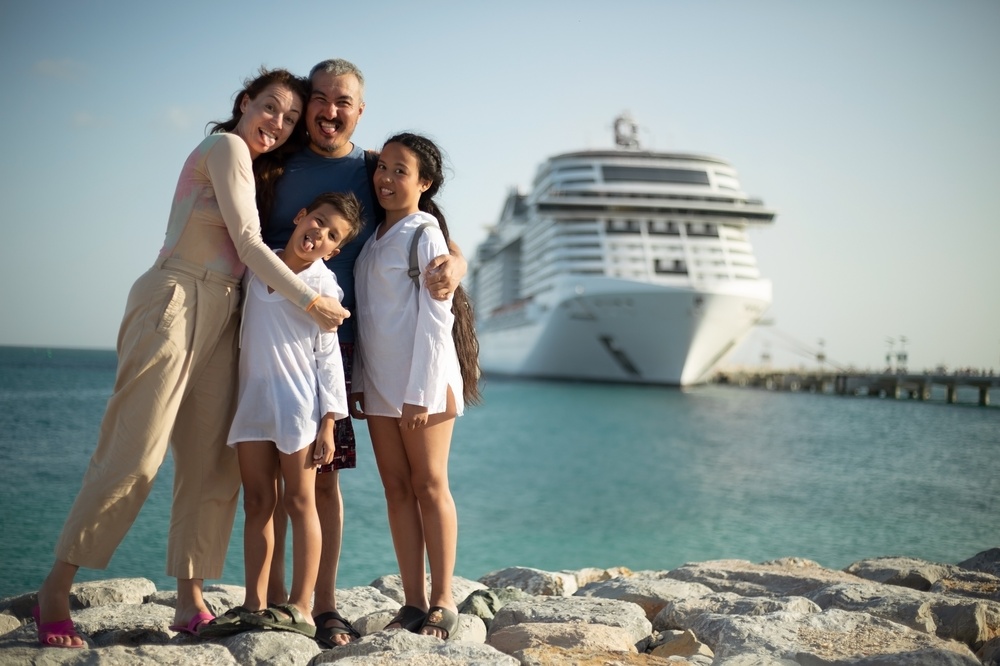
The good news is that cruising offers a natural kind of structure that suits larger groups rather well. You’ve got accommodation, meals, travel between destinations and entertainment all centred around one floating base, which removes a fair chunk of the logistical chaos that comes with moving a big group between hotels, airports, restaurants and days out. None of that guarantees smooth sailing, of course. Like any family trip, the best results tend to come from a bit of honest conversation, realistic expectations and some sensible planning long before anyone starts packing.
Talk about expectations before you book
Start by making sure everyone is picturing roughly the same holiday. One person might be dreaming of long family dinners and group excursions every single day. Someone else might be quietly hoping for slow mornings, early nights and a good book. Teenagers typically want independence, decent Wi-Fi and food whenever they fancy it. Younger children need routine, pool time and familiar snacks. Grandparents may be absolutely thrilled to spend time with everyone, but that’s different from wanting to be on active grandparent duty from breakfast through to bedtime.
A straightforward family chat can prevent a surprising amount of tension later on. What does everyone want from the trip? What would genuinely ruin it for them? How much time together is actually expected? It’s worth agreeing early that not every activity needs to involve the whole group. Multi-generational holidays work far better when togetherness feels like a pleasure rather than an obligation.
Choose an itinerary that suits the least flexible person
It’s tempting to pick the most exciting sounding itinerary, but with several generations involved, the wisest choice is usually the one that works for whoever has the most specific needs. That might be a grandparent with limited mobility, a toddler who still naps, a parent who finds packed schedules stressful, or a teenager who’ll be miserable if dragged around museums every day.
Look honestly at the pace. A cruise with a new port every morning can be brilliant for energetic travellers, but genuinely exhausting for families who need a slower start. Sea days give everyone breathing room. Overnight stops allow proper exploration without rushing. Ports with short transfers, walkable centres and straightforward sightseeing options are often far more enjoyable than ambitious destinations requiring long coach journeys.
Be realistic about cabins and personal space
Cabin arrangements can significantly affect the mood of the whole holiday. Sharing saves money but can create real friction when people have different sleep patterns, bedtime routines or attitudes towards mess. Grandparents may not relish sharing a cabin with boisterous young children. Teenagers often desperately need somewhere to decompress. Parents frequently appreciate having a quiet corner to sit once the little ones are finally down.
Try to think beyond the bed count and consider how people actually live from day to day. Neighbouring cabins are often more practical than one large shared space. Balcony cabins work well for adults wanting somewhere calm while children rest. Connecting rooms suit families with younger children, whereas separate cabins often make more sense for older teens or grandparents who value their independence.
Agree the budget early
Money is consistently one of the most awkward aspects of group holidays, so get the conversation out of the way early. Beyond the cruise fare itself, there are drinks, speciality dining, excursions, gratuities, travel insurance, port transfers and pre or post cruise accommodation to think about.
Different households will have different budgets, and that’s completely fine. The problems start when everyone makes assumptions. One family might be perfectly happy booking private tours; another might prefer free port days entirely. Some people will want drinks packages; others won’t touch them. Honest conversations about money from the outset make the whole thing feel fair rather than awkward.
Build in freedom for different age groups
One of the genuinely great things about cruising with a big family is that people can follow their own rhythm without the group completely fragmenting. Grandparents might head for a quiet breakfast while parents take the children swimming. Teenagers can disappear to the sports deck or grab food whenever they like. Adults can take turns having proper time off whilst others keep the children entertained.
This only works if everyone agrees that separate plans aren’t a snub. They often make the shared moments considerably better. One group activity together each day, with everything else left loose, tends to be a comfortable rhythm for most families.
Think carefully about shore excursions
Port days are often the highlight of a cruise, but they’re also where family stress tends to peak. Ages, mobility levels and interests diverge sharply once you’re ashore. A full day historical tour might be fascinating for some but torture for a tired five year old. A beach day might be perfect for families with young children but leave culture hungry adults frustrated.
Before booking anything, check duration, walking distances, toilet access, coach times and meal arrangements. Sometimes the least ambitious option genuinely is the best one. It’s also perfectly fine for the group to split up ashore, as long as everyone has a clear plan for meeting back up.
Keep meals relaxed
Food is generally one of the easier parts of cruising with family, but a little thought helps. Fixed dining suits families who like routine; flexible dining works better for groups juggling small children or mismatched appetites. Many families find that dinner together provides a natural daily anchor, even when everyone’s spent the day doing different things entirely. That said, it doesn’t need to be a formal affair every single night.
Don’t turn grandparents into default childcare
Grandparents on a family cruise can be an absolute joy for children, but assuming they’re there to babysit is a mistake. Some grandparents will happily take the children for an afternoon and give parents a proper break. Others would rather be involved in smaller, lower-pressure ways. Ask, don’t assume, and be specific about what would actually be helpful. Everyone’s energy levels deserve respect.
Leave room for imperfect moments
Even the most carefully planned multi-generational cruise won’t be perfect from start to finish. Someone will be tired. A meal will disappoint. A child will have a meltdown. A teenager will be difficult. A grandparent will need to rest at exactly the wrong moment. That’s just family life, played out in a slightly unusual setting.
The goal isn’t perfection, it’s a holiday where different generations can genuinely enjoy time together without anyone feeling overwhelmed. With honest expectations, a bit of personal space, flexible plans and the confidence to split up when needed, it really can work beautifully.
