

If your windows are misted, draughty or just tired, it is very tempting to rip everything out and start again with the latest triple glazing. At the same time, you may be worried about cost, mess and whether heavy units will even suit a traditional sash window.
This guide walks you through the real advantages and disadvantages of double glazing windows in a UK context. We will explain how double glazing works, where it genuinely saves money, what the drawbacks are, and why upgrading existing double glazed units to modern two-chamber or vacuum systems can, in some cases, rival – or even beat – triple glazing on energy performance.
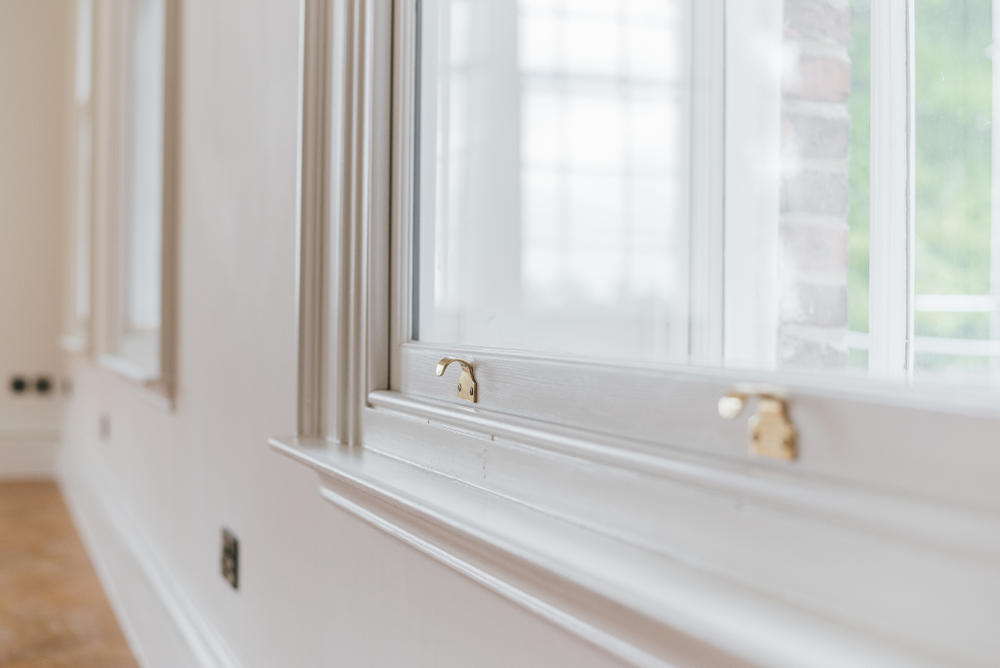
The language is simple. The detail is not. By the end you should know whether double glazing sash windows are worth it in your specific home – and what specification to ask for if you go ahead.
What is double glazing and how does it work?
Double glazing in simple terms
A double glazed window is a frame that holds a sealed glass unit made of two panes of glass with a gap in between. That gap is filled with air or an inert gas such as argon or krypton, and the whole unit is sealed around the edge.
This design cuts heat loss in three ways:
- Two panes instead of one create extra resistance to heat and sound.
- The gas-filled gap slows heat passing from warm inside air to cold outside air.
- Modern units often have a low-E coating that reflects heat back into the room.
In broad terms, single glazing loses several times more heat than modern double glazing. So even ordinary double glazing is a big step up from single glass.
What is different about a double glazing sash window?
A double glazing sash window is simply a sliding sash (the traditional up-and-down window you see in Georgian and Victorian houses) fitted with a double glazed unit instead of old single glass.
You can get this in three main ways:
- New timber or uPVC sash windows with factory-made double glazing.
- Retrofit double glazing into existing timber sashes (removing old glass, deepening the rebate and fitting slim units).
- Secondary glazing inside the original sash, leaving the outer single glass in place.
The sash window itself is not the problem – it is the glazing and draughts around it. Done properly, a modern double glazing sash window can meet current energy standards and still look like a period window from the street.
Double pane vs double glazed windows: any difference?
You will sometimes see “double pane” in North American articles and “double glazed” in UK content. They mean the same thing: two sheets of glass with a sealed gap between them.
Key advantages of double glazing windows
1. Better energy efficiency and lower bills
Windows are one of the weakest points in a building’s thermal envelope. Swapping single glazing for decent double glazing can cut heat loss through the glass dramatically, and reduce overall window heat loss by a noticeable margin.
Independent guides suggest that upgrading to modern A-rated double glazing can save a typical UK home from roughly a hundred to a couple of hundred pounds a year on heating bills, depending on property type, fuel prices and existing windows.
On top of that, replacement windows in existing dwellings now have to meet strict energy performance requirements. High quality double glazing can hit those numbers comfortably.
2. More comfortable rooms and less condensation
With double glazing sash windows you are not just chasing numbers on a certificate. Daily comfort is where most people feel the difference:
- Fewer cold draughts when combined with proper draught-proofing.
- Warmer inner glass surface, so you feel less “cold radiation” when you sit by a window.
- Less condensation on the inner pane compared with bare single glazing, as long as the home is ventilated sensibly.
In older sash windows, where rattling sashes and gaps around the frame are common, a professionally fitted upgrade can transform how a room feels in winter.
3. Noise reduction
Double glazed windows typically cut external noise far more than single glass. With the extra pane and the sealed air or gas gap, traffic and street noise are dulled, which is especially noticeable in bedrooms and front rooms.
If you live on a busy road or near a railway, specifying one laminated pane or dedicated acoustic glazing within a double glazed unit can be more effective than jumping to triple glazing, especially in sash windows where weight is an issue.
4. Better security and property value
Double glazed sashes are harder to force, and the glass itself is tougher to break than old single panes. Many modern systems include multi-point locks and options such as laminated security glass.
From a valuation point of view, estate agents often see decent double glazing as an “expected” feature rather than a luxury. It can help improve an EPC rating and make a house easier to sell, even if it is not the only factor in price.
5. Long service life (if you choose wisely)
Modern double glazed windows are typically expected to last a good 20–30 years, sometimes longer in sheltered locations and with good maintenance.
The glass units are only one part of that story: frame material, installation quality, exposure and how you look after the windows all make a real difference.
Disadvantages of double glazing (and honest drawbacks)
1. Upfront cost
The biggest disadvantage is obvious: double glazing is expensive compared with doing nothing or simple repairs.
- Replacing all windows in an average three-bed house can run to many thousands of pounds, even with standard specification double glazing.
- Triple glazing typically costs substantially more per window than double glazing.
This is why it is so important to understand the condition of your frames and the specification of your existing units before you start. In many cases, replacing only the sealed units with better double glazing is the most cost-effective route.
2. Weight, frame limits and aesthetics
Every extra pane and cavity adds weight. Double glazed sash windows are significantly heavier than single glazed ones, and triple glazing is heavier again. That has consequences:
- Old sash boxes may need joinery repairs and new, heavier weights.
- Very thin glazing bars in heritage sashes may not safely carry heavy triple glazed units.
- On large openings, frames must be strong enough to handle extra loads, or you risk sticking sashes and premature wear.
There is also the aesthetic side. Chunky triple glazed units usually need wider frames and glazing bars, which can look “flat” compared with original slim timber sightlines. High-spec double glazing is often a better visual match in period homes.
3. Failures and difficult repairs
When a sealed unit fails, you cannot just scrape off putty and fit a new single pane. The whole insulated glass unit must be replaced. Typical signs of failure include:
- Mist or water droplets between the panes.
- A “milky” film that cannot be cleaned from either side.
Basic units with poor edge seals can fail in 10–15 years in exposed locations; high quality units often last much longer.
In some uPVC frames it is easy to swap units. In some older timber and aluminium frames it can be fiddlier and needs a competent glazier.
4. Limited gains in very leaky or uninsulated homes
If your loft has no insulation, your suspended floors are open to the wind and you have obvious gaps around doors, then throwing money at triple glazed windows will not magically fix everything. The biggest heat losses may be elsewhere.
In older, draughty UK properties, the extra theoretical performance of triple glazing only pays off if you also tackle air-tightness and insulation in the rest of the building. In many of these homes, upgrading to high-quality A-rated double glazing is the sensible first step.
Double glazing vs triple glazing: what really matters in the UK
Performance on paper: U-values
On pure numbers, triple glazing usually wins. But remember: building regulations for replacement windows only require a certain maximum U-value or a minimum energy rating for the whole window (glass plus frame). High-spec double glazing can comfortably achieve that.
Real-world performance: when double glazing is enough
The UK climate is relatively mild. For most well-insulated homes, A-rated double glazing gives an excellent balance of comfort, compliance and cost, while triple glazing becomes attractive mainly for very airtight new builds or those targeting ultra-low-energy standards.
Triple glazing also has trade-offs:
- Higher price per window.
- Heavier units, which can be problematic in older sashes and large openings.
- Slightly lower light transmission and solar gain, which in the UK can mean less free heat from winter sun.
How an upgraded double glazed unit can rival – or beat – triple glazing
Here is the key point many people miss: not all double glazing is the same.
Early double glazed units from the 1980s–1990s often have:
- Thin glass and narrow air gaps.
- No low-E coatings.
- Metal spacer bars that bridge heat at the edge.
- Poor insulating performance by today’s standards.
Modern “two-chamber” and advanced units can be very different:
- Multiple cavities or vacuum technology between two panes.
- Argon or krypton gas fill.
- Warm-edge spacer bars that reduce thermal bridging.
- Very low centre-pane U-values, squarely in triple-glazing territory, and in some cases better than typical triple glass.
In other words, replacing tired single-cavity units in sound frames with modern multi-cavity or vacuum double glazing can deliver energy performance similar to, or better than, many triple glazed windows – without the weight, thicker frames and extra cost that triple usually brings.
For a sash window this matters a lot: you keep the traditional look and frame, but the glass itself does most of the heavy lifting on efficiency.
Specification checklist: what is the best double glazed windows for your home?
When you look at brochures, do not stop at “double glazing”. Check:
- Whole-window U-value (Uw) – aim to meet or beat current regulation; values around 1.0–1.2 are excellent.
- Energy rating – A or A+ means very good overall performance, including solar gain and air leakage.
- Gas fill – argon is standard; krypton is used for narrow cavities.
- Spacer bar – look for “warm edge” spacers rather than bare aluminium.
- Glass options – low-E coatings, laminated or acoustic layers if noise is a concern.
A well-specified, modern double glazing sash window like this can absolutely be “the best double glazed windows” choice for a typical UK home, especially where you are upgrading existing frames.
Replace the whole window, or just install new double glazed units?
When people Google “is double glazing worth it”, they often assume it means ripping out frames and fitting brand new windows. In reality you have three main options:
- Replace only the glazing units in your existing frames.
- Install new sashes (for example, new double glazed sash window sashes into the original box frames).
- Replace the entire window (frame plus sashes).
A simple rule of thumb:
- If the frames are sound, straight and relatively modern, it often makes best sense to keep them and upgrade to high-spec two-chamber or vacuum double glazed units. This gives a big jump in performance for less money and disruption.
- If the frames are rotten, twisted or near the end of their life, replacing the whole window is usually wiser.
- In listed buildings or strict conservation areas, you may be pushed towards secondary glazing and careful repair rather than full replacement; always check locally first.
How long does double glazing last?
Most modern double glazed windows are expected to last around 25–30 years on average, although real-world results vary.
Lifespan depends on:
- Quality of the glass unit and edge seals.
- Frame material (timber, uPVC, aluminium, composite) and maintenance.
- Exposure to strong sun, wind and driving rain.
- Installation quality – especially how the frame is sealed into the wall.
Seeing mist between panes after 10–15 years does not mean “all double glazing is rubbish”; it normally means the specific unit or batch has failed and needs swapping.
Which type of windows is best for a home?
There is no single “best type of window”, but you can narrow it down by asking:
- What is my house? Period terrace, 1930s semi, post-war estate or new build?
- How important is character? In a Georgian terrace, timber sash windows (possibly with slim double glazing) often look and feel right.
- How long will I stay? If you plan to move in five years, ultra-high-end triple glazing may not pay back.
- What is my priority? Energy bills, noise, maintenance, or all three?
For most UK homes that are not extreme eco-builds, the sweet spot is:
- A-rated double glazing that meets or beats current regulatory U-values.
- Frames that suit the building (good timber in period homes, quality uPVC or alu-clad in others).
- Thoughtful details: trickle vents, secure ventilation positions, easy-clean features where useful.
Triple glazing can be the right call if you are building a very airtight, highly insulated home where every watt counts – but in a typical UK house, well-specified double glazing sash windows, possibly with upgraded two-chamber units, will usually be the practical and cost-effective choice.
FAQ: advantages and disadvantages of double glazing
1. How much better is double glazing than single glazing?
Single glazing loses several times more heat than modern double glazing. Upgrading typically gives a big step up in comfort and can save a meaningful amount on heating bills each year, especially in homes that currently have thin, leaky single panes.
2. Is double glazing worth it if I already have old double glazed windows?
Often, yes. Early double glazing can be surprisingly poor by modern standards. If your sealed units are misted or you know they are an older specification, replacing them with new A-rated two-chamber or vacuum units can significantly improve performance without changing the frames.
3. What is the point of double glazed windows if triple glazing exists?
Double glazing offers a strong boost in comfort and efficiency at a cost, weight and frame thickness that suits most UK homes. Triple glazing goes further on paper but costs more, is heavier and only really shines in very airtight, well insulated properties.
4. What is the difference between double pane and double glazed windows?
There is no practical difference – “double pane” is just another way of saying “double glazed”: two panes of glass with a sealed insulating gap in between.
5. How many years does double glazing last?
Most guidance suggests 20–30 years on average, with some high-quality installations lasting longer and cheaper units in harsh exposure failing sooner. The gas in the cavity and edge seals slowly degrade, so the unit eventually needs replacing.
6. Do double glazing sash windows always need new frames?
No. If the sash boxes and frames are in good condition, a specialist can often retrofit new double glazed units or even new sashes into the existing openings, which preserves character and reduces cost and disruption.
7. Are there disadvantages of double glazing I should worry about?
Real drawbacks include cost, potential failures of the sealed unit over time, extra weight on older frames and sometimes a slightly different look in very delicate heritage windows. Most of these can be managed with good specification and good installers.
8. Which type of windows is best for a home: casement, sash, tilt-and-turn?
Functionally they can all perform very well if the glazing and frames are specified properly. The choice is usually about architecture, ventilation style and personal taste. In period homes, sash windows with slim double glazing often give the best balance between character and performance; in modern homes, casements or tilt-and-turn may be more practical.
Conclusion: is double glazing worth it for you?
Double glazing is not a magic bullet, but for most UK households it is one of the most effective upgrades you can make to cut heat loss, improve comfort and reduce noise – especially if you are living with single glazing or very old double glazed units.
The main advantages are better energy efficiency, warmer rooms, less condensation, improved security and a more attractive EPC. The disadvantages are the upfront cost, potential for failed units and some limits around weight and appearance in very traditional sash windows.
If your frames are sound, seriously consider upgrading your existing double glazed units to modern two-chamber or vacuum double glazing before jumping straight to full triple glazing. In many real-world UK homes, that combination gives you the best balance of performance, cost and character – and can deliver energy efficiency that rivals, or even beats, some triple glazed alternatives.
Your next step: walk around your home, note which windows mist up or feel draughty, and gather a few quotes that specify exact U-values, energy ratings and glazing build-ups. With those in hand, you can make a calm decision instead of a rushed one driven by sales patter.
