

Meta description: Discover what shampoo to use with your hair extensions. We answer many of the questions that people in the UK have about hair extension shampoo.
H1: Do Hair Extensions Need Special Shampoo? What Experts Recommend
The short answer to this common question is yes, hair pieces do generally need (or at least benefit from) specialist hair extension shampoo.
The best shampoo for hair extensions tends to be the sulphate-free kind, which helps maintain the best possible appearance and longevity of hair pieces.
In this guide, we’ve outlined in further detail why shampoo choice matters for hair extensions. Information is also provided on the shampoo ingredients that help or harm hair pieces, together with our expert recommendations and how to wash your extensions with the right shampoo.
H2: Why Regular Shampoo Damages Hair Extensions
If you do choose to use sulphate-free shampoos on your extensions, this will likely be because sulphates strip essential moisture from the cuticles of processed hair.
Sulphates that are particularly concerning from a hair extensions perspective include sodium lauryl sulphate (SLS) and sodium laureth sulphate (SLES). Such harsh detergents can lead to dryness, frizz, tangling, and breakage. This can be especially bad news for hair extensions, which lack natural scalp oil replenishment.
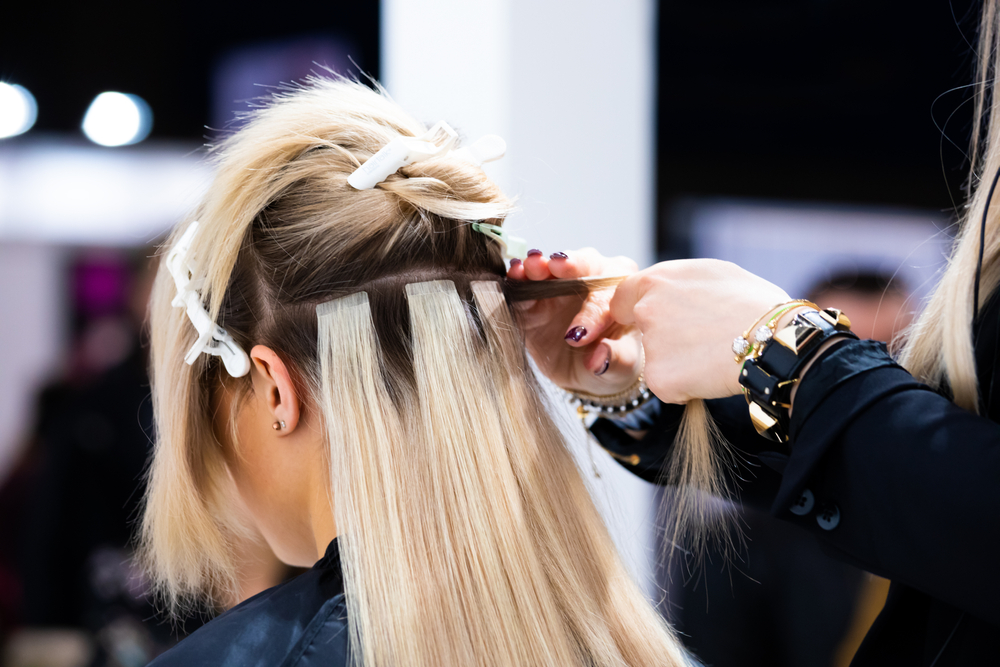
The adhesives of tape-in and bonded extensions can be gradually broken down by the use ofshampoo containing sulphates. This, in turn, can lead to the premature slipping or loosening of such hair pieces.
If, then, you don’t want your extensions to look dull, feel rough, and require replacement sooner than expected, you may need to prioritise switching to a suitable shampoo.
H2: Ingredients to Look For
Unsure what shampoo to use with your hair extensions? In that case, let’s help you narrow down the possibilities. By educating yourself about the ingredients listed on shampoo labels, you can help ensure you make an extension-friendly choice.
The shampoos that you consider for use on your hair pieces should contain:
• Sulphate-free cleansing agents, encompassing the likes of coco-betaine, decyl glucoside, or coco-glucoside, which clean without stripping.
• Hydrating and nourishing ingredients like argan oil, keratin, hyaluronic acid, sunflower seed, or olive oil extracts to help ensure softness and shine.
• pH-balanced formulas (ideally between about 4.5 and 5.5) to smooth the hair cuticle,preserve moisture, and reduce tangling.
Shampoos containing such proven ingredients can help keep both your natural hair and your extensions healthy, vibrant, and manageable.
H2: Ingredients to Avoid
When you’re on the lookout for the best hair extension shampoo in the UK, you might see labels mentioning certain ingredients that could damage your hair pieces.
Examples include:
• Sodium lauryl sulphate (SLS) and sodium laureth sulphate (SLES), which can dry out processed hair and degrade adhesives.
• Alcohol, which can be highly drying and make hair brittle. Particularly strong offenders include denatured alcohol, ethanol, and isopropyl alcohol.
• Heavily silicones, such as large amounts of dimethicone. Ingredients like this in your hair extension shampoo can cause buildup, resulting in hair that looks dull and greasy over time.
H2: Best Shampoos for Each Extension Type
The most suitable shampoo for tape-in extensions isn’t necessarily the one that a wearer of nano rings or clip-ins should pick.
Here, then, are a few factors to bear in mind when making your choice:
• For tape-in extensions, the use of sulphate-free shampoo is essential to protect the adhesive. Gentle and moisturising options are likely the most ideal for this type of hair piece. The chosen shampoo should also offer lightweight hydration, and care must be taken to avoid circular scrubbing around tape sections.
• Clip-in extensions aren’t as difficult to choose the right shampoo for as tape-ins, given that clip-ins are removed before washing. However, clip-in wearers are still advised to use sulphate-free shampoo for their extensions, such as Cliphair’s Deep Moisture Shampoo, available for £12. Clip-in extensions need to be washed every eight to 10 wears, unless product buildup appears earlier.
• Nano rings and bonded extensions benefit from the use of sulphate-free and lightweight cleansing shampoos. Wearers of such hair pieces will need to avoid applying rich oil-based shampoos directly to attachment areas. This is due to the risk of excess slip affecting hold and creating buildup.
H2: How to Wash Hair Extensions with the Right Shampoo
Whether you’ve purchased a shampoo for clip-in extensions, tape-ins, nano rings, or bonded extensions, the product alone won’t be enough.
That’s because knowing the right technique will also be crucial:
1. Brush your extensions thoroughly before washing to avoid tangling.
2. Use lukewarm water instead of hot water.
3. Apply the shampoo mainly to the scalp and roots.
4. Work the lather downwards, using smooth and gentle strokes.
5. Make sure you don’t scrub, twist, or bunch around tapes or bonds.
6. Rinse thoroughly to avoid residue buildup that can lead to heaviness and tangling.
7. Apply conditioner only from the mid-lengths to the ends.
8. Rinse again, and use a towel to gently squeeze out excess water.
Take care not to vigorously rub with towels, given that this can drive up friction and shorten the lifespan of extensions.
Conclusion
Ultimately, hair extensions do benefit from the use of special shampoo, even if this isn’t strictly “needed” for every type of hair piece out there.
For semi-permanent hair extensions, though, sulphate-free formulas are effectively non-negotiable. Tape-ins, nano rings, and bonded extensions need to be gently cleansed to lock in moisture and shield attachment points from harm.
Clip-in extensions, being temporary in nature, are more forgiving. However, clip-ins still last longer and stay softer when washed with the best shampoo for hair extensions.
All in all, investing in the most suitable shampoo and adopting a proper routine can go a long way to extending the lifespan of various types of hair pieces.

20 June 2026
That’s a really helpful article, thanks for covering this. I’ve been meaning to look into getting extensions and this clarifies a lot!