

Most homes today are similar to an airport terminal, everyone seems to be late for something, a bit chaotic, and not really like the sanctuary it is supposed to be.
We’re living in a whirlwind of pings, schedules, and the relentless pressure to be switched on.
We talk about “calm” as if it’s this expensive luxury, something you find at a £500-a-night retreat, but that’s not really true.
Bringing peace into a busy family home is more like an art form.
It is about reclaiming the gaps in your day that are already there for the picking, which means we don’t have to move to secluded woods.
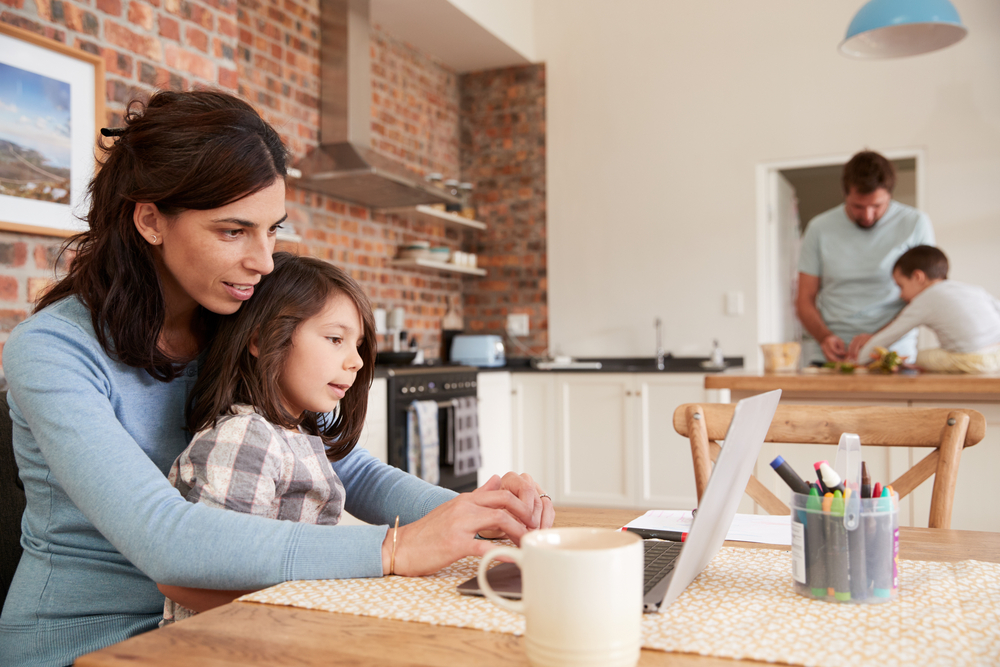
1. Why Modern Family Life Feels So Busy
Let’s be honest, we all move too fast too often.
We’ve entered this weird era of “hyper-scheduling” where we feel guilty if we aren’t productive every waking second.
The Logistical Heavy Lifting:
Between school runs and the “always-on” corporate culture, most parents have hit their mental limit by 10:00 AM.
Managing a household today is basically a full-time project management role.
The Digital Hum:
We are the first generation of parents trying to raise kids while being tethered to a 24/7 digital leash.
That background noise, TVs, TikTok scrolls, and work emails keeps our brains in a state of low-level “fight or flight” mode.
The Death of Real Downtime:
We often use the gaps in our day to “catch up” on chores and errands when we should be sitting down.
As humans, we don’t know how to operate without some sort of goal anymore.
2. The Importance of Small Calm Moments
It’s not only difficult to go to Hawaii for a week to reset our nervous system, it is actually also unnecessary.
What our brain really needs is short bursts of stillness, rather than one long annual vacation.
The 60-Second Reset:
Taking one minute, just one, to breathe in the driveway before you walk into the house after work can change the entire mood of the evening.
It stops the “stress snowball” from rolling.
Kids Are Sponges:
If you’re frantic, they’re frantic. They co-regulate with us.
When we model a pause, we’re giving them an anchor. It shows them that big emotions don’t have to result in a big explosion.
Shifting the Vibe:
A home shouldn’t feel like a pressure cooker.
The ambiance in a house shifts from frantic to focused when peace is prioritized.
3. Building Gentle Daily Rituals
Humans find rituals to be soulful, whereas schedules are rigid and frankly quite annoying.
Rituals are ultimately what keep our lives from collapsing.
Better Mornings:
Instead of waking up to a shouting match and a loud alarm, try beating the kids by 15 minutes.
Drink your tea in peace. Prep the bags the night before so the morning is about saying “good morning” rather than “where are your shoes?”
The After-School Buffer:
The transition from school to home is usually a disaster.
Try a “quiet half-hour ” of no questions about math tests, no screens, just a snack and some space to decompress from the social meat-grinder of the classroom.
Ditching the Bright Lights:
About an hour before bed, dim the lights. It tells your body to start making melatonin.
To bridge the gap between a wild day and going to sleep, do a few quick stretches before calmly sliding into bed with a book, a real one made of paper.
4. Creating a Calm Space at Home
Your brain will feel messy if your environment is messy.
Keep your reset space without any dirty laundry, piles of mail, or electronics to create a calm environment.
The Designated Corner:
You don’t need a whole “meditation room.” Just one armchair, a soft blanket, and a rule that says “no phones allowed here.”
Warm Lighting over Everything:
Harsh overhead lights are the enemy of peace. Use lamps with warm bulbs.
Bring in wood, linen, or stone, anything that makes the space feel more like nature and less like an office.
Visual Noise:
Clutter is just “noise” you can see. Curate your things.
A surface covered in random items is not conducive to calm, it’s better to keep only a few meaningful objects on your dresser.
5. Using Simple Objects as Reminders to Pause
To snap us out of stress mode, we might need something a bit more exciting than a clean space.
At Little Sky Stone, we love the idea that jewelry can be more than just an accessory, it’s an anchor.
Tactile Reminders:
Wearing something with personal meaning, like May birthstone jewelry, can be a visual cue to take a breath.
Maybe it’s a vibrant green emerald for a May birthday that reminds you of growth and renewal during a stressful meeting.
Grounding:
A delicate birthstone necklace resting against your skin is something you can touch when things feel overwhelming.
Mindfulness is not a chore, it grounds you and pulls you back into the present.
6. Encouraging Children to Slow Down
In a world that rewards being fast, it is not an easy task to teach a child to slow down a bit.
Tactile Play:
Get them doing things with their hands, LEGOs, drawing, or even digging in the dirt.
These activities create a “flow state” where their heart rate naturally drops.
The Gift of Boredom:
Not every second needs to be scheduled.
Boredom is where creativity actually happens. Give them some “white space” to just figure out what to do with themselves.
Walk the Walk:
You can’t yell at a child to “be calm.”
It is important to say how you feel when you have made a mistake: “I’m feeling stressed right now, so I’m going to sit quietly for a few seconds” rather than being frustrated and carrying on.
It is the ideal way for children to learn life lessons, by example.
7. Making It Sustainable (Not Perfect)
To keep your household perfectly calm 24/7 is not normally achievable, and frankly, it can be the catalyst to more stress.
Flexibility is Key:
Some days, the toddler will melt down and the car won’t start.
A good routine is one that can bend without snapping in half.
Lower the Bar:
You or your home doesn’t have to be perfect. If the house is a mess, it is what it is.
What matters is how you return to center when the chaos dies down.
Consistency Wins:
Three minutes of breathing every day is way more powerful than a 90-minute yoga class once a month.
What actually rewires our brain is small, repetitive actions each day, little moments.
8. Conclusion
We don’t have to overhaul our lives to create a calm home.
It’s found in the small stuff: a quiet cup of coffee, the weight of a favorite necklace, or just deciding to put the phones away an hour early.
Peace is accessible, even in a house full of kids and a calendar full of meetings.
Calm in a home can be built, one intentional breath at a time.
