

Busy family homes ask a lot from one space. Breakfast, homework, play, and laundry often happen within view of each other. That is why many parents want open rooms that still feel easy to read. A good railing can help create that calm.
Parents also lean toward fittings that can handle daily wear without adding more chores. That helps explain why the phrase stainless steel balustrade keeps turning up in family renovation searches. The appeal is not only visual. It also speaks to safety, cleaning, and the need for clear edges in busy homes.
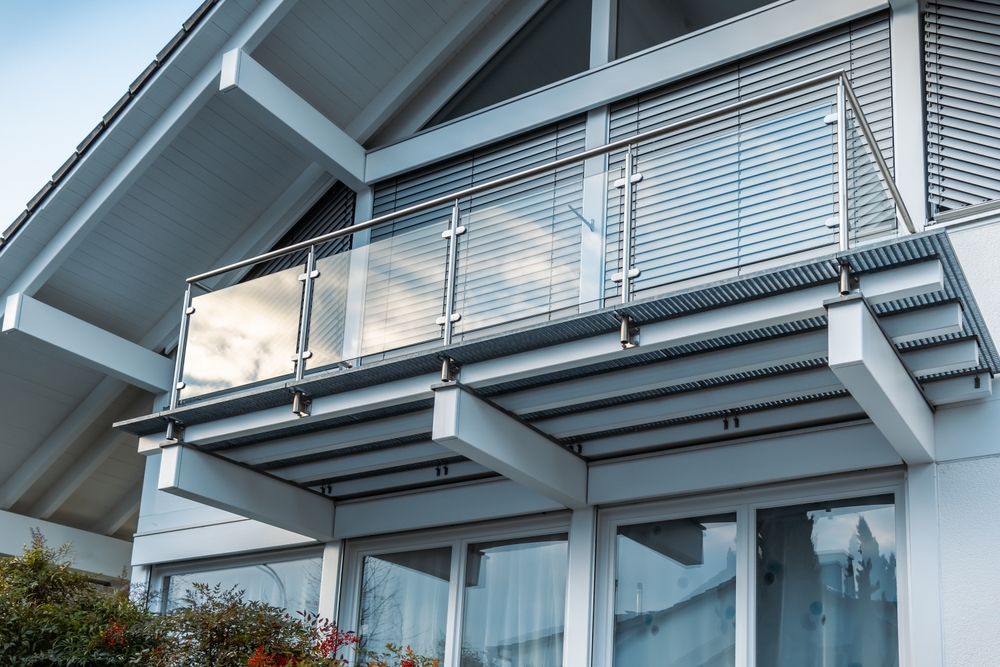
Why clear lines matter at home
Open plan living is still popular, but families now use it in a more organised way. Recent UK trend data suggests people are carving out clearer zones instead of closing rooms off. A railing fits that shift because it can guide movement and mark an edge without blocking light. That mix of openness and order helps explain the current appeal.
Houzz says many UK homes are being rezoned, not shut off. Searches rose 69 percent for “craft room”, sevenfold for “acoustic panels”, 43 percent for “understairs storage”, and almost threefold for a bathroom with laundry space. It also found stronger interest in home cinema, music studio, and craft room ideas. In that setting, this kind of railing can mark a threshold without turning one room into several smaller boxes.
Healthy Homes makes a similar point by favouring logical layouts and buffer spaces such as hallways. For families who still want light and sightlines, a stainless steel balustrade can create a readable edge between zones without feeling heavy. That balance suits homes where cooking, homework, and play often happen at once.
The choice also connects with a wider safety push. In late 2025, the government revisited domestic stair guidance. RoSPA said a consultation began in November 2025 on BS 5395-1, a British stair standard. RoSPA also says more than 43,000 people are hospitalised each year after falls on stairs at home.
Less cleaning, less daily stress
Low maintenance means more than a quick polish. Healthy Homes asks designers to plan for future flexibility and to cut upkeep costs with robust, easy clean finishes. That points families toward hard wearing details that can cope with school bags, sticky hands, and constant passing through. It also explains why ornate features that trap dust feel less useful in a busy house.
A smooth metal rail and simple panels suit shared rooms where mess moves fast. They work as a light boundary marker, yet they still keep sightlines open across kitchen, dining, and living areas. The best options also feel modern without demanding constant care. That is a practical win when one space handles meals, crafts, and evening homework.
Surfaces wipe clean quickly after fingerprints, food splashes, and everyday dust. Simple shapes leave fewer awkward corners where dirt can gather. Durable finishes cope better with knocks from bags, toys, and regular traffic. Clear edges help adults notice steps, drops, or level changes faster.
This is where the move away from decorative railings becomes clear. Family friendly designs are usually simple, easy to grip, more vertical, and easier to wipe than older ladder style patterns. Practical minimalism has become part of the appeal.
Good safety design does not need to look bulky. Current guidance often treats safety cues as part of visual design, using clear contrast and consistent layouts to help people read a space quickly. Public health advice also says stair balustrades should be strong and should not give children footholds for climbing. That is why slimmer, cleaner designs can still carry a serious job.
Detail matters just as much as appearance. Welsh housing guidance says guarding should discourage climbing, handrails should be easy to grasp, and gaps should not let a 100 millimetre sphere pass through. Older low barriers and horizontal details are now often viewed as poor practice. Recent government evidence on domestic stair guidance also shows how closely experts now look at step size, consistency, and handrail provision.
Handrails on open sides usually sit about 900 to 1000 millimetres above the pitch line. That is the line that follows the stair slope. Vertical infill helps deter climbing and reads more clearly than horizontal rails. Easy grip handrails make movement steadier for children, parents, and older visitors.
Seen together, these details explain the wider shift. Parents often want a railing that feels light in the room, but clear in its purpose. When a design supports movement, visibility, and easy cleaning at once, it earns its place.
What families should keep in mind
A family home rarely stays still. Rooms change use, children grow, and stairs see thousands of trips each year. That makes durable, easy to understand boundaries more valuable than purely decorative ones. The popularity of simple metal and glass railings fits that everyday reality.
The best choice usually combines clear safety cues, quick cleaning, and details that match current guidance. In practice, that means strong construction, graspable handrails, sensible heights, and vertical elements that discourage climbing. Families do not need to give up openness to make a home easier to navigate. The smartest home details are the ones that quietly work hard every single day.
