

Horse racing is one of the oldest and most regulated forms of sports betting. With races held daily across Australia and globally, it offers a wide array of betting opportunities for newcomers. However, the terminology and structure can be overwhelming for those unfamiliar with the sport, making a structured introduction essential.
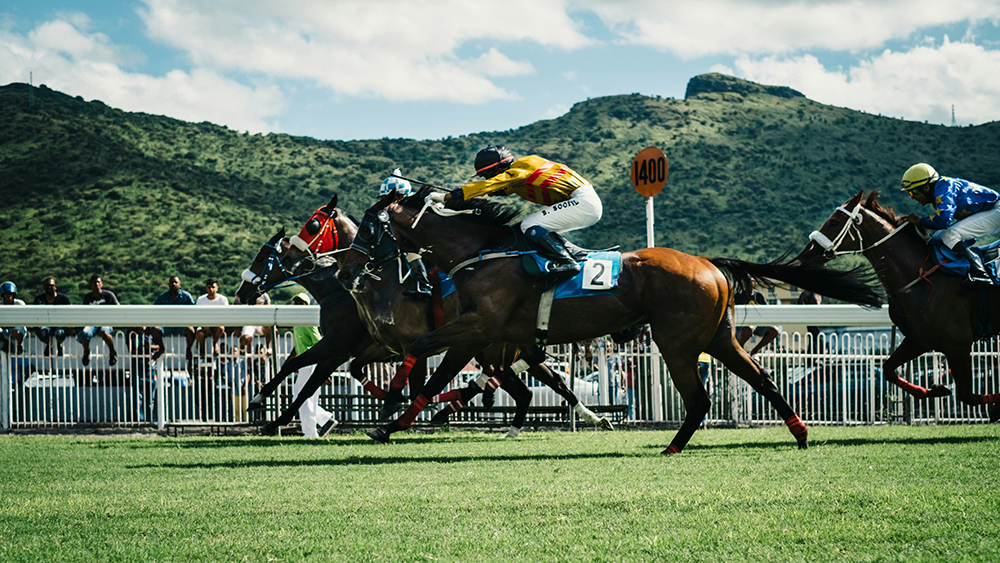
Types of Horse Racing Bets Explained
The first step to understanding horse betting is recognising the main types of wagers. In Australia, the most commonly placed bets are straightforward and serve as a foundation for more complex options.
Quinella, exacta, and trifecta bets require selecting two or three horses to finish in the top positions, in order or any order, depending on the bet. These involve higher risk but potentially larger rewards. For new bettors, understanding these options helps manage both expectations and expenditures. Similarly, there exists a Lucky 15 bet.
Lucky 15 functions closely as a Yankee bet does, in its form, but Lucky 15s are better since they have an additional four single wagers in them. Completing such a long list for beginners starts with knowledge, but that can change at any time, so going through Lucky 15 tips for today can help newcomers stay on the right track.
A win bet is the simplest form—selecting a horse you believe will finish first. If the horse wins, the bet pays out. A place bet allows more leeway, paying out if the horse finishes first, second, or, in some cases, third, depending on the number of runners. The payout is lower than a winning bet but offers a greater chance of return.
An each-way bet combines both win and place bets. This is essentially two bets: one for the horse to win, and another for it to place. If the horse wins, both parts payout. If it places but doesn’t win, only the place portion pays. This is often favoured by cautious beginners.
Form Guides and What They Reveal
Before placing a bet, most punters consult the form guide. This document includes critical information about each horse, such as recent performance, distance suitability, track conditions, and the jockey and trainer pairings.
A horse’s recent finishes provide insight into its current form. Numbers next to the horse’s name indicate its finishing position in previous races. A string of top-three finishes usually suggests strong form, though context, such as race class and competition, must also be considered.
Barrier trials can also provide information and insight into the horse’s performance. Even recent winners Hill Road and Falling Snow, won their latest barrier trials, showcasing strong performance.
Weight carried by the horse, often referred to as handicaps, is another factor. Horses carrying more weight may have to work harder. Barrier position can also influence the outcome. Inside barriers (lower numbers) may provide an early positional advantage, particularly on shorter tracks.
Understanding Odds and Payouts
Odds represent the probability of a horse winning and dictate the potential payout. They are typically displayed in decimal form in Australia. For example, odds of 3.00 mean a $1 bet would return $3 if successful, including the original stake.
Short odds (e.g. 1.80) suggest the horse is a favourite with a high chance of winning, but offer smaller returns. Longer odds (e.g., 15.00) indicate an outsider, with a lower probability of success but a higher potential payout.
New bettors need to balance the appeal of high payouts with the likelihood of success. Many beginners focus solely on long shots in the hope of large returns, but a structured approach with shorter-odds selections often proves more sustainable over time.
Race Class and Competition Level
Races are divided into classes, which reflect the quality and experience level of the participating horses. For example, Group races are the highest level, featuring elite competitors, while maiden races involve horses that have never won before, and maiden winners to be further rewarded, keeping their spirits high!
Betting on a Group 1 race may involve well-known horses with extensive records, which can aid in analysis. Conversely, lower-class races may present more unpredictable outcomes, particularly with lightly raced horses.
Track Conditions and Their Impact
Track condition plays a pivotal role in horse racing outcomes. Australian racecourses categorise tracks using terms such as “Good,” “Soft,” and “Heavy,” which describe the firmness of the turf. Horses perform differently depending on these conditions.
Some horses are known as mudlarks—those that perform well on rain-affected tracks—while others show better form on firm surfaces. The form guide will often indicate a horse’s past performance in various track conditions, helping bettors make more tailored choices.
Bankroll Management for Sustainability
One often overlooked aspect of horse betting is managing the betting budget, commonly referred to as bankroll. New bettors are advised to set a fixed budget for betting activities and avoid increasing stakes after losses.
Staking strategies, such as flat betting (wagering the same amount on each bet), can help minimise risk. Chasing losses—placing large bets in an attempt to recover previous losses—is a common pitfall for beginners and often leads to rapid depletion of funds.
