

Giving a gift was never really about the price tag or the size of the surprise. What people tend to remember is the thought that went into it. A present chosen with care, wrapped up with a bit of imagination or handed over with a genuine note, can stick in someone’s memory long after the occasion itself has faded.
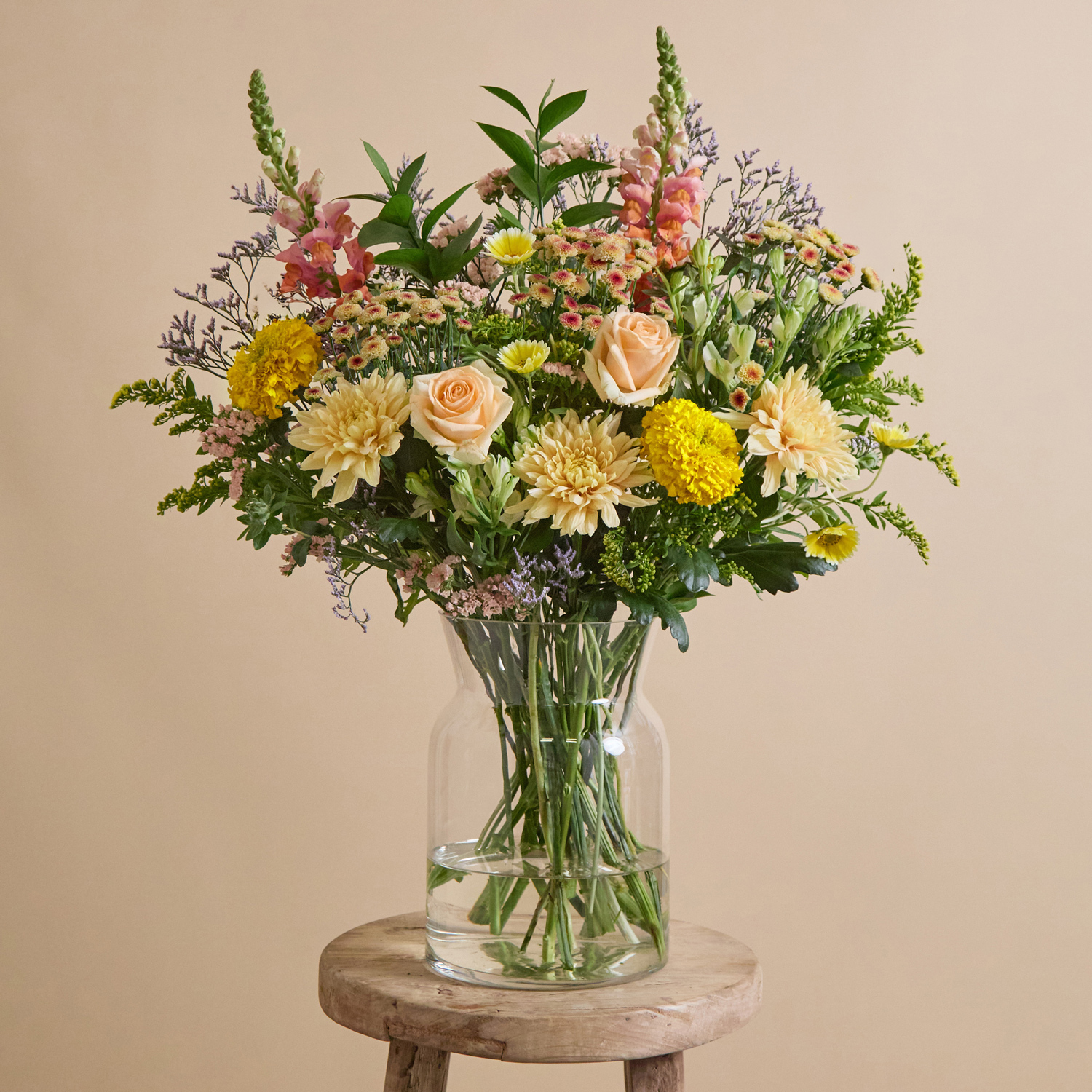
Whether you’re marking a birthday, saying thank you, celebrating someone’s big achievement, or just letting a friend know you’re thinking of them, there are plenty of small ways to make an ordinary gift feel personal. Even when time is tight, little details go a long way. If you’re arranging next day delivery flowers because you’ve left things until the last minute, spending an extra five minutes on a handwritten card or picking colours you know the recipient loves can make the whole gesture feel far more considered.
Think About the Person, Not the Occasion
It’s easy to get fixated on the event and forget about the individual. Instead, try to picture the person themselves: what makes them laugh, what they get lost in on a lazy Sunday, what they’d never buy for themselves but secretly want.
Do they read every night before bed? Are they forever trying out new recipes on unsuspecting dinner guests? Do they spend their weekends elbow-deep in soil in the garden, or curled up watching old films? Picking something that ties into their world shows you’ve actually paid attention, rather than grabbing whatever felt vaguely appropriate.
Even a small, unassuming gift can feel wonderfully thoughtful once it connects to someone’s actual life.
Include a Handwritten Card
One of the simplest ways to lift any gift is a card written in your own hand. So much of what we say to each other now happens over text or through a screen, so taking the time to put pen to paper carries real weight.
Rather than sticking to “Happy Birthday” or “Congratulations”, try explaining why you chose what you did. Bring up a memory you both share, thank them for something specific, or just tell them plainly what they mean to you.
It doesn’t need to be long. A handful of honest sentences usually lands better than pages of polished prose. People often forget exactly what was in the gift bag, but they’ll keep a card that meant something.
Pay Attention to Presentation
How something looks when it’s handed over matters more than we often admit. Wrapping paper, a bit of ribbon, a tag with a name on it, all of it builds a little anticipation before the present is even opened.
You don’t need to go overboard. Brown paper and some natural twine can look lovely, and tissue paper with a reusable gift bag works just as well for most people. If you happen to know their favourite colour, weave it into the wrapping. A sprig of rosemary or lavender tucked under the ribbon adds a nice, natural touch too.
None of this costs much, but it all signals care.
Choose Quality Over Quantity
There’s a temptation to pad a gift out with extra bits and pieces just so it looks bigger. Honestly, one well-chosen present usually beats a pile of things the person will never use.
Rather than stuffing a bag with odds and ends, focus on the one thing that actually suits them, a book you know they’ll love, a decent notebook, some good tea, chocolate from a local maker, something for their home. Fewer, better gifts tend to leave a stronger impression because they show real thought.
Add Something Personal
A personal touch is often what turns a nice gift into a memorable one.
Slip in a family photo in a frame, put together a playlist that reminds you both of a particular summer, or write out a few reasons you’re grateful to have them around. If they bake, a family recipe copied onto a card can mean the world. If they garden, pair a small tool with seeds for something they’ve always wanted to grow.
Personalised gifts are always heartwarming because they carry a little piece of the relationship behind them. Even something simple can become more meaningful when it reflects a shared memory, favourite interest, or inside joke. For instance, choosing to design your own photo lighter can turn a cherished picture into a keepsake that feels distinctly theirs. It adds a personal story to an everyday item and makes the gift feel thoughtful without needing to be extravagant.
These extras rarely cost much, yet they’re often what people remember years later.
Give the Gift at the Right Moment
Timing can matter just as much as the gift itself. Birthdays and anniversaries are the obvious moments, but it’s the unexpected gestures that often land hardest. A present after exams, after moving house, after a rough few months, that’s when it can mean the most.
You don’t need an occasion at all, really. A spontaneous gift on a perfectly ordinary Tuesday can turn someone’s whole week around.
Think Beyond Physical Presents
Not every good gift comes wrapped in paper. Offering your time is sometimes the better option, inviting someone round for lunch, babysitting for exhausted new parents, cooking a meal, or spending an afternoon helping them paint a room.
Shared time creates memories that outlast most objects. For a lot of families, these are the moments that end up mattering more than anything bought.
Small kindnesses count too. Walking someone’s dog while they’re unwell, or helping an elderly neighbour carry their shopping, tends to be remembered long after any present would have been forgotten.
Remember That Thoughtfulness Doesn’t Depend on Budget
One of the biggest myths around gift-giving is that spending more automatically means giving better. In truth, thoughtful gifts turn up at every price point.
A homemade cake, a second-hand book you know they’ll love, a stack of old photographs, a letter written by hand, all of these can mean far more than something expensive and impersonal.
Most of us remember how a gift made us feel, not what it cost. Kindness and attention will always matter more than the price on the label.
It’s the Thought That Makes the Difference
The gifts people remember are rarely the priciest ones. They’re the ones that show real care and understanding, something tied to a hobby, a note that says what you actually mean, a present wrapped with a bit of thought.
Making a gift feel special isn’t about getting everything perfect or planning it months ahead. It’s about showing someone they matter. A little imagination goes further than you’d think.
