

The UK has one of the oldest and most established live entertainment cultures in the world, built on centuries of theatre, music halls, and touring circuits. Meanwhile, parts of the Gulf are racing to build entirely new entertainment districts from scratch, often on reclaimed land or purpose-built waterfronts. Comparing the two says a lot about how different regions approach leisure, tourism, and the economics of a night out.
A Tradition Built Over Centuries
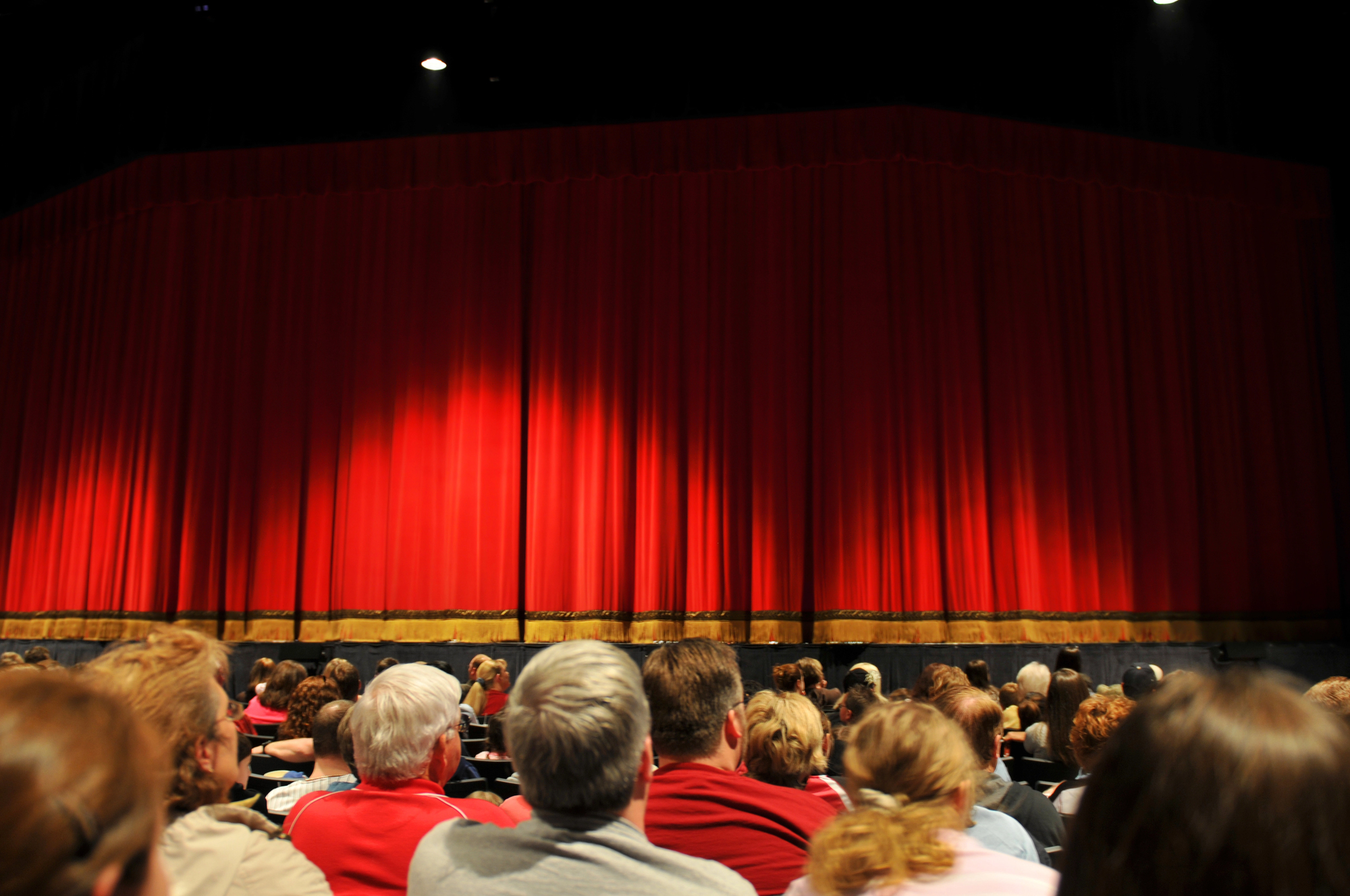
London’s West End remains one of the most recognisable theatre districts anywhere, with venues that have hosted productions for generations. Beyond the capital, cities across the UK support a dense network of arenas, concert halls, and comedy clubs that keep touring acts moving through the country almost year-round. This density is less about any single flagship venue and more about the sheer number of mid-sized spaces that keep local entertainment economies ticking over.
Music, Sport, and the Night Out Economy
Live music festivals, snooker and darts championships, and football matchdays all blend into the UK’s broader entertainment calendar in a way that feels organic rather than engineered. Pubs and sports bars often double as informal entertainment venues on big match nights, extending the reach of live sport well beyond the stadium itself. That layering of music, sport, and social drinking culture is something that took decades to settle into its current shape.
The Gulf’s Fast-Track Approach
Where the UK’s scene grew organically, several Gulf states are trying to compress decades of development into a much shorter timeframe. Large-scale resort and entertainment projects are being planned with the explicit goal of drawing international visitors away from rival destinations in the same region. This is less about replacing existing culture and more about building an entirely new tourism product aimed at a global audience.
Why the Comparison Matters
The UK’s venues generate a steady, predictable stream of ticket sales, hospitality spending, and tourism built on reputation earned over a long period. Kuwait is pursuing a similar outcome through a large coastal entertainment development intended to compete directly with tourism and leisure offerings elsewhere in the Gulf, with ambitions to draw hundreds of thousands of visitors annually as part of a wider economic diversification plan. Readers weighing how these resort-style entertainment trends extend into online leisure can look at KUWAITCASINOLINK as a point of comparison. The underlying logic in both cases is the same: entertainment infrastructure, whether a historic theatre district or a newly built resort strip, is treated as a long-term economic asset rather than a simple amenity.
What Visitors Actually Notice
Visitors to the UK often comment on how entertainment is woven into everyday city life rather than confined to a single district. A trip to a Premier League match, for instance, can easily be paired with a nearby pub, a live music venue, and a late dinner, all within walking distance in many host cities. Organisations such as VisitBritain have long promoted this mix of heritage venues and modern entertainment as a core part of the country’s tourism appeal.
In the Gulf, by contrast, entertainment districts are often designed as self-contained destinations, where accommodation, dining, shows, and leisure facilities sit within a single master-planned site. Neither approach is inherently better, but they reflect very different starting points and timelines. One region is refining a scene built over generations, while the other is compressing that same evolution into a matter of years.
Wrapping It Up
Both the UK and the Gulf are ultimately chasing the same prize: visitors who want a memorable night out and are willing to spend on it. The UK leans on depth, variety, and historical reputation, while Gulf resort projects lean on scale, ambition, and speed of delivery. Watching how these two very different entertainment models evolve side by side offers a useful lens on where global leisure spending is heading next.
