

The shift from grand casino buildings to pocket-sized gaming represents one of the most striking changes in modern entertainment. Patrons once needed formal attire and lengthy travel to experience gaming thrills, but today’s technology brings the casino and its slots online directly onto our smartphones. The path from marble lobbies and ornate chandeliers to touchscreen apps and wireless connections reveals how technology, consumer habits, and regulations have transformed over several decades.
Physical Casinos in Their Prime
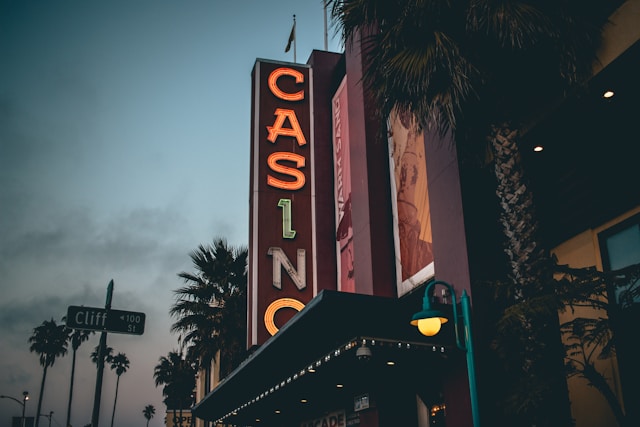
Through the final decades of the 20th century, casinos operated as grand destinations requiring serious planning from visitors. Las Vegas built its reputation with venues like Caesar’s Palace and the Bellagio, each creating elaborate themed environments that immersed guests in worlds of glamour and excitement. Atlantic City became the go-to East Coast option, while riverboat casinos started popping up along major rivers throughout the Midwest.
Casino architects had specific goals beyond just looking impressive. They crafted winding layouts without windows or visible clocks, hoping guests would lose track of time and stay longer. Free drinks, spectacular shows, and upscale restaurants became standard features, turning simple gaming into complete entertainment destinations.
International venues developed their personalities during this period. Monte Carlo kept its refined European gaming tradition alive, while newer locations like Macau started building their reputations as serious contenders in the worldwide casino scene. Different regions attracted different crowds based on local tastes and what regulations allowed.
Early Technology Makes Its Mark
Electronic gaming machines arrived in the 1970s and began changing how casinos operated. Computer-controlled devices replaced the old mechanical slot machines, offering more intricate gameplay and better security than their predecessors. Video poker gained popularity as an electronic twist on familiar card games, letting players engage with concepts they already understood through new digital interfaces.
Random number generators transformed game fairness by replacing physical dice rolls and card shuffles with mathematical formulas that produced genuinely unpredictable results. Surveillance evolved from basic cameras into sophisticated networks watching every inch of gaming floors around the clock.
Computer-based player tracking arrived in the 1990s and changed customer service forever. Loyalty programs grew more advanced, delivering personalized perks based on how individuals played. Detailed databases helped casinos understand their customers like never before, leading to sharper marketing and more customized experiences.
The Web Opens New Doors
When the World Wide Web emerged in the mid-1990s, casino operators suddenly had ways to reach people far beyond their physical locations. Early websites were rough compared to what we see now, with simple graphics and basic features, but they marked a major shift in how people could access casino entertainment.
Governments immediately faced new challenges as online gaming crossed international borders in ways traditional casinos never could. Different countries took different approaches to regulating online casinos, creating a complicated mix of laws that operators had to figure out.
Security became a hot topic right away, with encryption and payment systems needing major improvements to protect players properly. SSL certificates and secure payment methods became must-haves for any legitimate online casino operation.
By the late 1990s, the first serious online casino platforms were attracting curious early users. Software companies started building better gaming engines that could recreate casino excitement through computer monitors.
Smartphones Change the Game Completely
Smartphone launches in the late 2000s completely rewrote the online casino playbook. Touch screens worked perfectly with casino game controls, while faster processors enabled detailed graphics and smooth animations that matched desktop quality.
App stores created fresh ways for people to find and download casino apps. Major app store policies forced many casino companies to find alternative distribution methods and build mobile-friendly websites instead.
Tablets brought bigger screens that made casino games look even better while keeping the portability that made mobile gaming so appealing. The iPad’s 2010 debut sparked a wave of creativity in mobile casino game development.
Better wireless networks, especially 4G rollouts, removed technical obstacles that had previously limited mobile casino quality. Faster internet speeds made real-time gameplay and live dealer features possible on mobile devices.
Live Dealers Connect Two Worlds
Live dealer technology became a game-changer for making online casinos feel more genuine and engaging. HD cameras and streaming technology let players interact with actual dealers in real-time, mixing online convenience with the social aspects of traditional casino floors.
Specialized studios built just for live dealer games started appearing worldwide, featuring elaborate sets that captured the atmosphere of high-end casinos. Multiple camera angles and professional lighting created television-quality productions that made online casino entertainment feel more valuable.
Chat features let players communicate with dealers, bringing back social elements that had disappeared from purely digital casino games. Social interaction became increasingly important as operators realized how much people valued engaging community experiences.
Multiple language options helped live dealer services expand internationally. Studios began offering games in various languages with dealers from different cultural backgrounds to serve players around the world.
Regulations Catch Up with Technology
Government agencies across the globe have slowly built more complete regulatory systems for online casino operations. Licensing requirements, tax policies, and consumer protection rules have developed to handle the specific challenges that digital gaming platforms present.
Responsible gaming programs have become central to modern online casino operations, with companies implementing advanced tools to help players manage their entertainment time and spending. Self-exclusion options, spending caps, and time limits show how seriously the industry takes player welfare.
Payment processing has grown much more sophisticated, offering everything from credit cards to digital wallets to cryptocurrency transactions. Better security systems and fraud detection protect both companies and players from financial crimes. Age verification and identity checks have become more thorough, using advanced document scanning and facial recognition to ensure legal compliance.
Where Things Stand Today
It doesn’t matter any longer whether you are located in the US, France or New Zealand, the technolies have enabled people all around the world to play from, basically, anywhere. But that is “old” news compared to the other advancements and shifts in the industry.
Virtual reality technology might create even more realistic casino experiences, potentially closing the gap between physical and digital environments in ways we haven’t seen before. Early VR casino applications show promise for building complete three-dimensional gaming spaces that players can walk through and explore.
Artificial intelligence and machine learning are finding their way into different parts of online casino operations, from suggesting games players might enjoy to monitoring security more effectively. Advanced analytics help operators understand what players want and how they behave.
Blockchain technology and cryptocurrency are opening up new possibilities for transparent, secure transactions while enabling creative gaming features that weren’t possible before. Cross-platform compatibility means casino games work smoothly across desktop computers, smartphones, tablets, and other connected devices, delivering consistent experiences no matter which device someone chooses.
