

Roulette looks simple until you start comparing versions. One table has a single zero, another adds 00, French roulette brings extra rules into play, and live tables can wrap the same wheel in completely different studio formats.
Looking through the options at https://roulette77.co.uk/live quickly shows how much variety now sits under the single word “roulette”. The good news is that the differences are easier to understand once you separate the wheel itself from the extra rules and presentation around it.
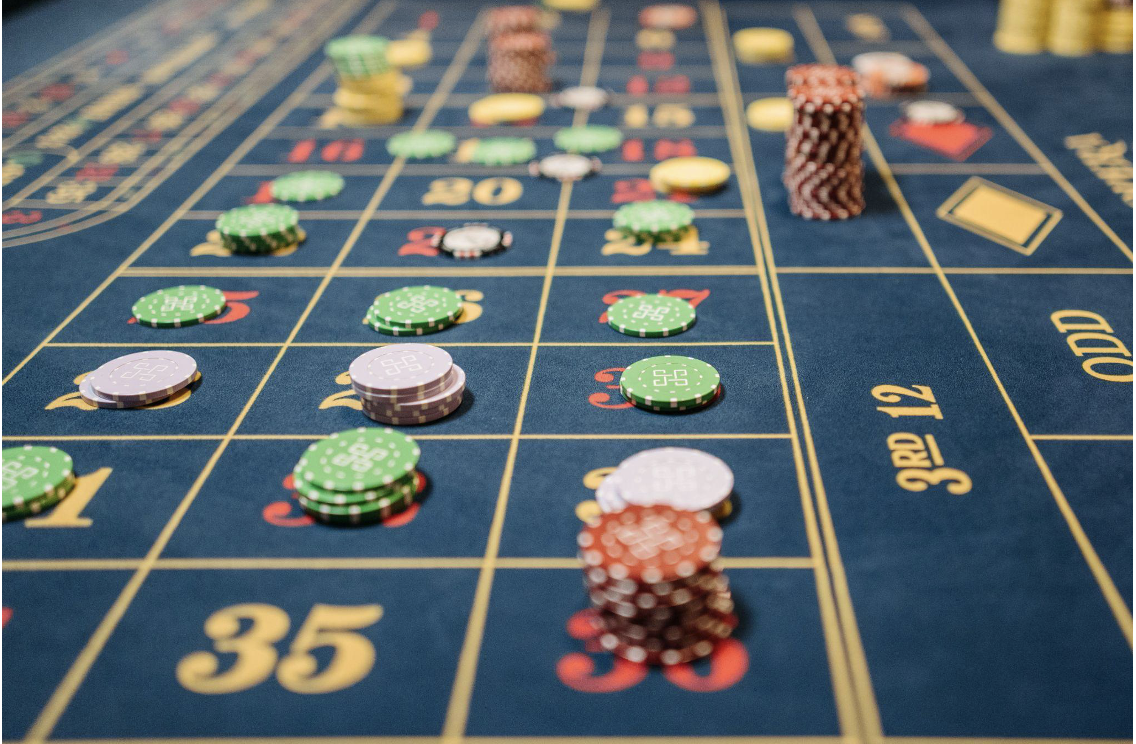
European Roulette Keeps Things Simple
European roulette is the version many players recognise first. Its wheel contains 37 pockets: numbers 1 to 36 plus a single green zero.
That single zero matters because it creates the house advantage while keeping it lower than on an American double-zero wheel. The layout still offers the familiar mix of straight-up numbers, splits, streets, dozens, columns and even-money bets such as red or black.
European roulette is therefore a useful baseline. Once you understand it, most other versions feel less like completely new games and more like relatives with a few eccentric habits.
French Roulette Adds Extra Rules
French roulette uses the same 37-pocket wheel, but its traditional rules can change what happens to certain even-money bets. The best-known example is La Partage, which can return half of a qualifying stake when the ball lands on zero.
That rule can reduce the house edge on qualifying even-money bets to 1.35%, compared with 2.70% on standard single-zero roulette. The wheel has not changed; the treatment of zero has.
French tables may also use traditional French labels, which can make the layout look more elaborate at first glance. Roulette 77’s guides are useful for you here because they explain those terms alongside the rules, so manque and passe stop looking like mysterious instructions from an old casino novel.
American Roulette Adds Another Zero
American roulette makes one small visual change with a large mathematical effect. It adds a 00 pocket, bringing the wheel to 38 compartments rather than 37.
That extra green pocket raises the typical house edge to about 5.26%. The reason is straightforward: standard payouts remain broadly the same while the wheel gains another losing outcome for most bets.
The main versions compare like this:
| Roulette variation | Total pockets | Zero pockets | Typical house edge |
| European | 37 | 1 | 2.70% |
| French | 37 | 1 | 2.70% |
| French with La Partage* | 37 | 1 | 1.35% |
| American | 38 | 2 | 5.26% |
| Single-zero live roulette | 37 | 1 | 2.70% |
*The 1.35% figure applies to qualifying even-money bets when La Partage is offered.
The number of green pockets matters more than the colour of the studio or the style of the dealer. A neon table with one zero is still mathematically closer to classic European roulette than a traditional-looking American wheel with 0 and 00.
Live Roulette Changes Presentation
Live roulette is less a new mathematical variation than a new way to deliver familiar versions. A real dealer operates a physical wheel while players place bets through an online interface.
That format can make European, American or French roulette feel very different without changing their core probabilities. One table may resemble a quiet casino floor, while another looks more like a television studio with multiple cameras and a faster pace.
The differences players notice most often include:
- Dealer language and presentation style
- Betting-window length
- Minimum and maximum stakes
- Camera angles and wheel close-ups
- Table speed
- Studio design
- Side features and statistics
These features affect usability and atmosphere rather than the underlying wheel. That distinction is worth remembering when comparing live tables because impressive graphics cannot turn a double-zero game into a single-zero one.
Speed Versions Trim Waiting Time
Speed roulette is designed for players who prefer less downtime between rounds. Dealers and interfaces shorten parts of the betting cycle, allowing the next spin to begin sooner.
The mathematics normally remains tied to the underlying roulette format. A speed European table still uses the same 37-pocket structure as standard European roulette unless its rules state otherwise.
The main change is therefore tempo. Think of it as an express train using the same railway line: the destination is unchanged, but there are fewer pauses along the way.
Multi-Wheel Roulette Adds More Action
Multi-wheel roulette takes the opposite approach to simplification. Instead of one wheel deciding one result, the format lets players place bets that apply across several wheels.
This increases the number of outcomes being resolved at once, so the screen naturally becomes busier. Players need to track which wheel produced which result, making the game more information-heavy than standard roulette.
The underlying probability on each wheel still depends on its own pocket structure. Several wheels spinning together do not somehow cancel the house edge; they simply create several separate roulette outcomes within the same format.
Auto Roulette Removes The Dealer
Auto roulette keeps the physical wheel but removes the live dealer from the process. An automated mechanism launches the ball, records the result and begins another betting cycle.
That makes rounds more consistent in pace because there is no dealer conversation or manual preparation between spins. It can also suit players who care more about the wheel than the social element of a live table.
The trade-off is atmosphere. A live dealer gives the game a human rhythm, while auto roulette feels closer to a machine-driven casino product.
Neither changes the basic definition of roulette itself: the outcome still comes from a ball settling into one of the numbered compartments of a revolving wheel.
The Wheel Still Comes First
With so many versions available, roulette names can become more complicated than the game underneath them. “Speed”, “live”, “premium” or “multiplier” usually tells you something about delivery or added features, while “European” and “American” tell you something fundamental about the wheel.
That is why the first useful question remains very simple: how many zero pockets are there? A 37-pocket single-zero wheel and a 38-pocket double-zero wheel may share the same studio, dealer style and betting interface, but they do not offer the same probabilities.
After that, the other differences become easier to sort. Rules determine the maths, while speed, dealers, cameras and bonus features determine how that maths is packaged.
